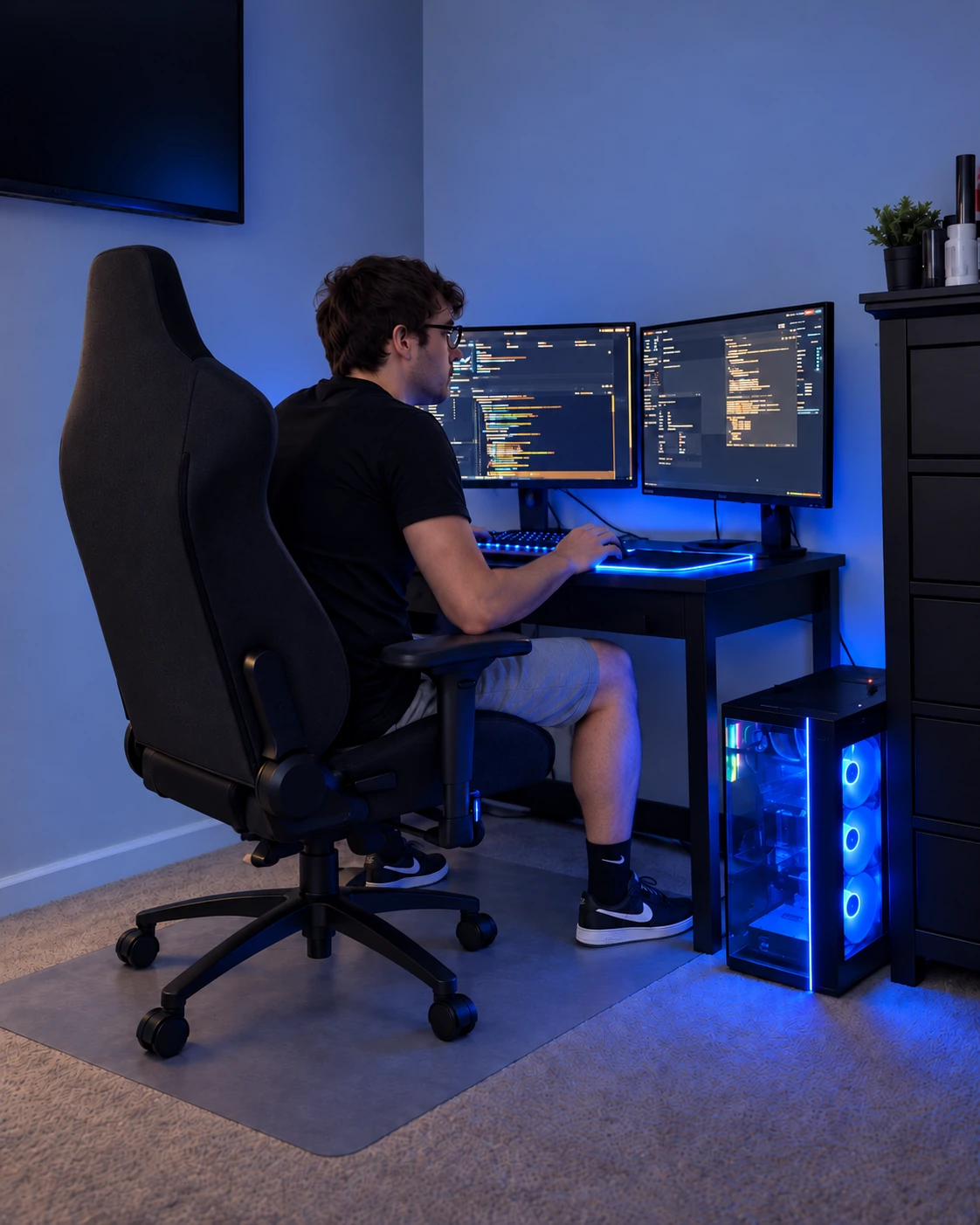
FBDBot didn’t begin with a business plan for a collection of products. It came out of years spent learning to trade, understanding how difficult consistent execution really is, and eventually deciding to build tools for problems I knew firsthand.
It started with trading. And a lot of trial and error.
The company makes more sense when you know what came before it.
I started trading in early 2020, first with penny stocks and then options. There were some wins in the beginning, but the difficult stretches that followed made it clear how little I really understood. I graduated college in 2021 with a degree in accounting, but by then I was already deeply involved in the markets and kept working at trading.
In 2022 I moved into futures without much of a strategy or direction. That’s when I came across the failed-breakdown methodology. On the surface it sounded straightforward: pay attention to important levels, watch what happens when price breaks them, and look for the move that fails. Actually reading those situations in real time was something else entirely.
I spent years studying examples, testing what I thought I understood, getting trades wrong, and learning from traders who had more experience than I did. There was the technical side—market structure, timing, different versions of the setup—and the human side of staying patient and executing without letting emotion take over. It took until around 2024 before I felt I had a solid grasp of what I was looking at.
That time mattered. The software that followed wasn't inspired by a theoretical trading problem. It was shaped by the parts of the process that had been difficult for me to do well, repeatedly.
02 / THE TURNING POINT
FROM THE CHART TO THE CODE
Recognizing a setup is one thing. Following the plan is another.
The more time I spent with failed breakdowns, the more obvious the gap became. Even after you understand a setup, there’s still the repetitive work around it: locating levels, waiting for the right conditions, entering, placing protection, managing targets, and knowing when not to act.
That is where the idea for the software came from. Instead of trying to take judgment out of trading entirely, I wanted to make the parts that could be defined more repeatable—and give the trader a clearer way to control them.
Good execution starts long before the order is placed.
03 / HOW FBDBOT GREW
One trading problem. More than one way to solve it.
What started as a personal automation idea grew into software other traders could use. The earliest products centered on the approach I knew best: the failed breakdown. Level discovery, monitoring, deployment, and automated trade management became parts of a connected system rather than tasks someone had to keep juggling by hand.
As that work grew, so did the scope of the company. Not every trader uses my setups, and not everyone wants a bot deciding when to enter. Some already have a method, an indicator, or a signal source they trust. They still face the challenge of executing a defined plan and managing a position consistently. That's the problem Operator was created to address.
Today FBDBot develops futures trading software across both areas. The original FBD ecosystem remains a specialized set of tools. Operator is a separate, strategy-independent execution and management platform. Different purposes, but both came from looking closely at what traders actually do in front of a screen.
Software should support the trader. Not make promises for them.
Trading software can organize a process, watch for defined conditions, and follow rules without getting impatient. It cannot make every setup good, eliminate losses, or remove the need for someone to understand the decisions they are making. I've been on the other side of that distinction for too long to pretend otherwise.
That's why configurability and visibility matter here. Traders should know what their system is set to do, what their risk controls are, and what happened to an order. We're building around tools that can be worked with, adjusted, tested, and improved—not a black box that asks for blind faith.
Development is still an ongoing process. There is more to refine, more to learn from people using the products, and no substitute for testing the software where it actually runs. That work is less glamorous than a perfect-looking trade chart, but it's the work I care about.
TYLER GOLLADAY / FOUNDER
05 / THE PERSON BEHIND THE COMPANY
From the trading desk. Still at the desk.
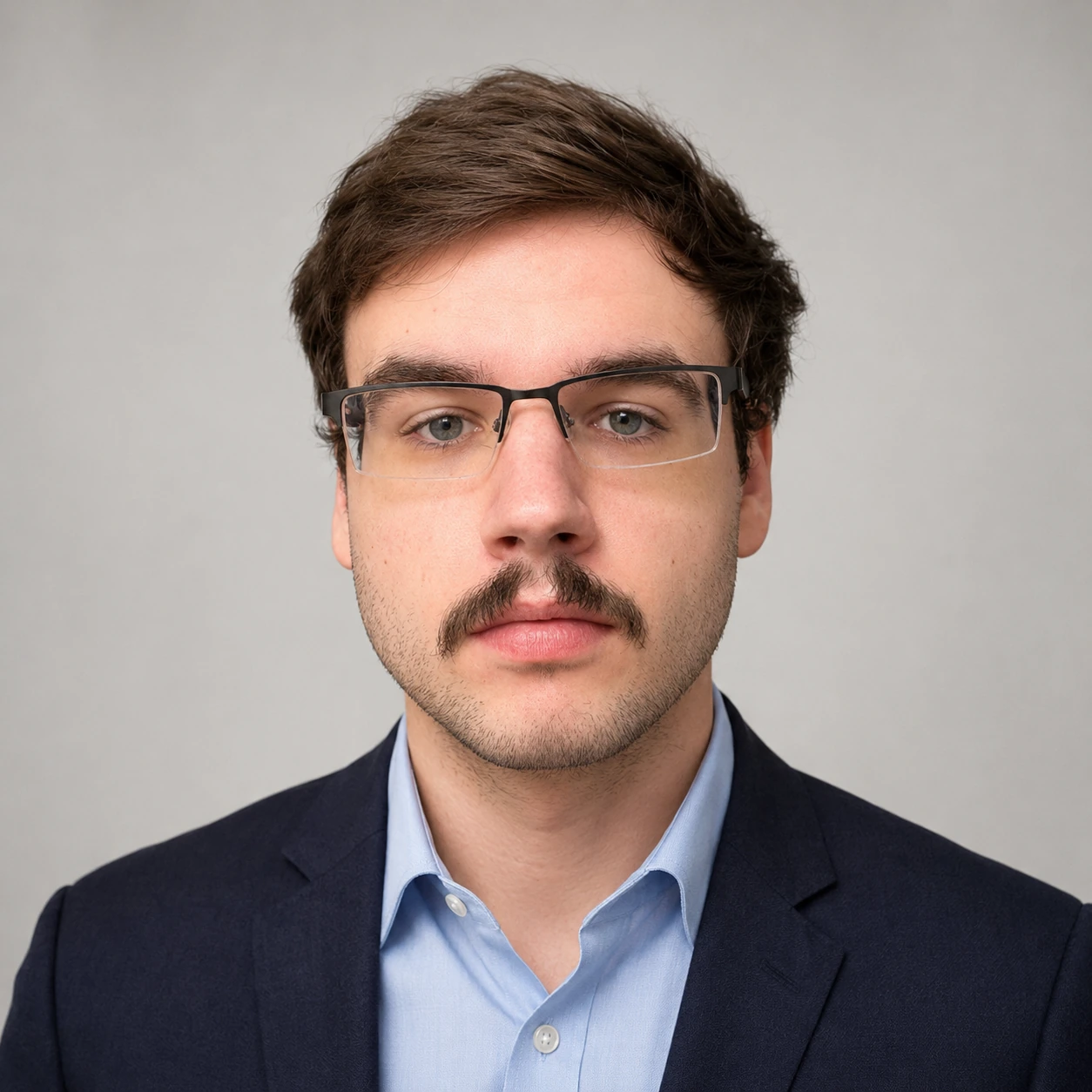
Tyler GolladayFounder of FBDBot · SoujiTrades
I'm the founder of FBDBot. I came into this as a trader first, not someone who set out to run a software company. The path from trading to development wasn't a clean pivot—it grew out of trying to make a difficult process more workable, one problem at a time.
FBDBot is independent and founder-led, with a small team contributing to its development. I’m directly involved in shaping the products because I understand where the ideas came from, what they need to do, and how frustrating it is when software gets in the way of trading instead of helping.
I don't see this company as a way to sell people a strategy or a promise of results. It's a way to build practical trading software, put it in the hands of people who have their own process, and keep making it better.
Less Screen Time.Structured Automation.Minimize Emotion.
06 / STAY CONNECTED
A direct line.
For business or product support, use the company Contact page. For my background or a more direct introduction, these are the places to find me and FBDBot.